
Mobile apps are no longer just tools—they’re experiences. In 2026, the way people use apps is evolving fast. From AI-native personalization to 5G-enabled interactions, the mobile app development trends 2026 are shaping how users connect, shop, learn, and work. Understanding these mobile app trends is crucial for businesses wanting to stay ahead in mobile application development.
Whether you’re a startup launching your first app or an established Mobile app development company updating your digital presence, knowing the latest mobile app technology trends can make your app more engaging, responsive, and user-friendly.
1. Motion Design – Engage Users Visually
Have you ever opened an app and immediately felt “wow”? That’s motion design in action, one of the top mobile app development trends today. It’s more than aesthetics—motion design guides users, highlights important actions, and makes interactions intuitive.
Think about when a button subtly animates, or when page transitions feel fluid. It may seem small, but these micro-interactions significantly enhance user engagement. Apps that use motion design well can make users feel that every tap, swipe, and scroll is meaningful.
For instance, a fitness app might animate your weekly progress, making it satisfying to see your results. Or an e-commerce app could highlight your cart with playful transitions, keeping the experience lively and clear.
In 2026, motion design is not optional—it’s a key trend in mobile application technology trends that improves usability, engagement, and overall app satisfaction. Apps without smooth animations can feel clunky, while those that leverage animated interactions create a modern, intuitive, and enjoyable experience.
2. AI in App Design – Smarter, Faster Interfaces
Have you ever opened an app and felt like it just “understood” you? That’s AI at work, and it’s one of the most exciting mobile app development trends 2026. AI isn’t just a feature anymore—it’s becoming the core of how apps are built, shaping interfaces and personalizing experiences in ways that feel almost magical.
For example, imagine a news app that automatically shows the stories you care about most, or a shopping app that highlights products based on what you usually browse. That’s hyper-personalization, one of the key mobile app trends transforming mobile application development today.
What makes AI so powerful is its ability to learn from user behavior. Over time, the app adapts to how people navigate it, which features they use most, or even how they interact with certain layouts. This leads to more intuitive navigation, smarter recommendations, and a smoother overall experience.
AI is also helping developers. Modern tools can suggest design improvements, generate code snippets, and even test user flows automatically. This not only speeds up mobile app development but also ensures apps remain efficient, responsive, and tailored to user needs.
In short, AI in app design is turning ordinary apps into smart, adaptive, and personalized experiences, setting the stage for the future of mobile application technology trends.
3. Smart & Inclusive UX Designs – Apps for Everyone
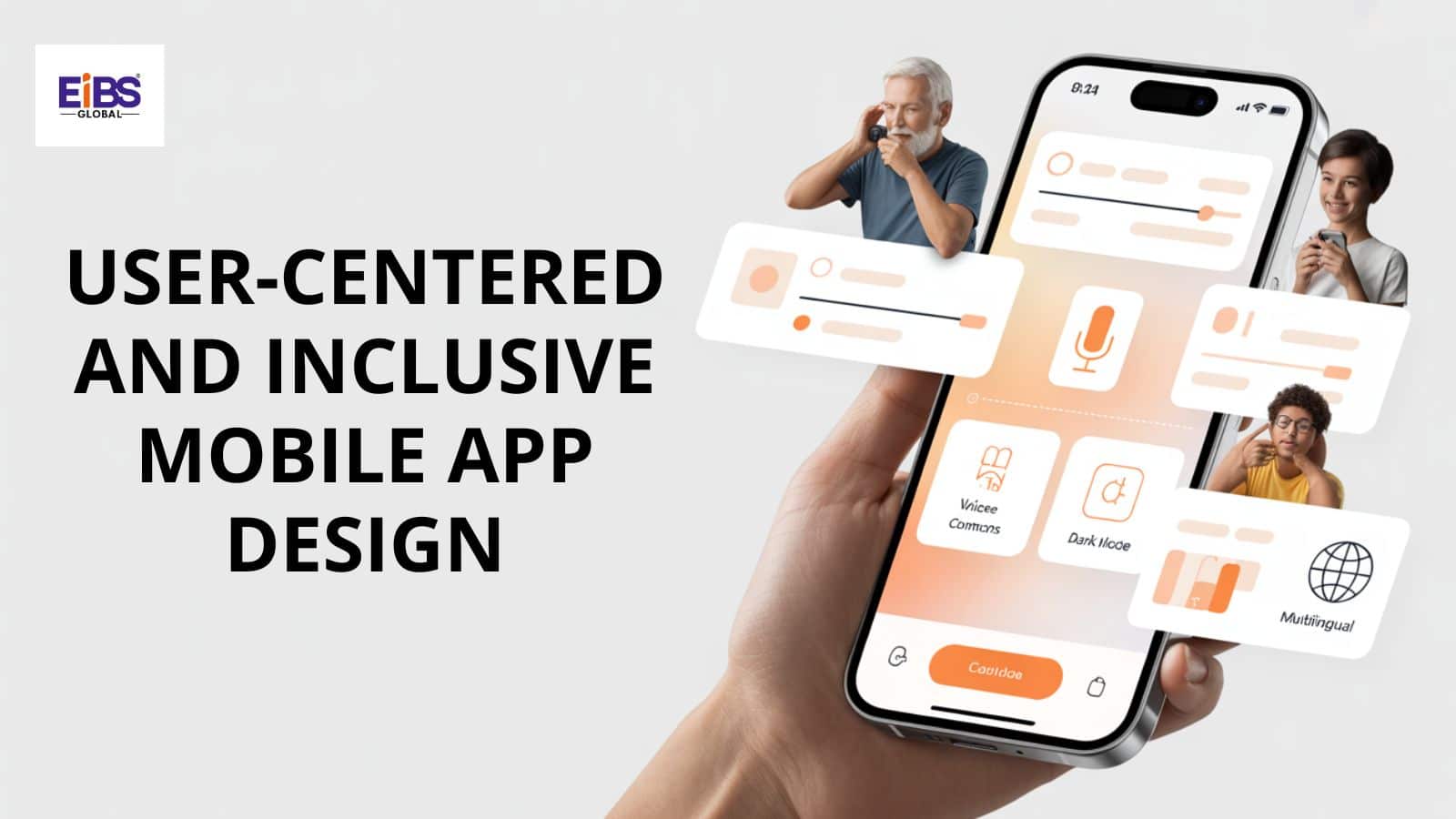
A good app isn’t just about features—it’s about how it makes every user feel included. That’s why smart and inclusive UX design is one of the most important mobile app development trends 2026. Apps today need to adapt to different abilities, languages, and user preferences so everyone feels welcome.
Think about accessibility: an app that adjusts text size, supports voice commands, or offers dark mode is creating a better experience for all users, not just the tech-savvy. Inclusivity is more than a trend—it’s a must-have element in mobile app technology trends, helping apps reach a wider audience and retain users longer.
Inclusivity also touches cultural and regional personalization. For instance, apps that display content in local languages or adapt layouts for right-to-left scripts show users that the app understands their needs. By focusing on smart UX design, developers can ensure their apps are intuitive, usable, and appealing across demographics.
Ultimately, inclusive UX design isn’t just good ethics—it’s good business. Apps that feel personal, accessible, and thoughtful are more likely to engage users, encourage loyalty, and stand out in the competitive app market.
4. Touchless UI & Voice Technology – Hands-Free Interactions
Ever tried using an app without touching your phone? It sounds futuristic, but touchless interfaces are becoming a reality and one of the hottest mobile app development trends 2026. From gesture controls to voice commands, these innovations are making apps more intuitive, hygienic, and convenient.
Take facial recognition for login or voice-activated commands in smart apps. These features reduce friction, letting users navigate apps effortlessly while multitasking. Think about checking your bank balance, sending messages, or controlling smart home devices—all without lifting a finger.
Touchless technology is also shaping mobile application technology trends by integrating biometric authentication, gesture tracking, and eye-movement controls. It’s not just about convenience—it’s about creating safe, seamless, and futuristic user experiences.
For businesses, investing in touchless UI isn’t just innovation; it’s a way to differentiate your app, meet modern user expectations, and align with the broader shift toward AI-driven and responsive mobile app trends.
5. AI & Camera-Focused Apps – Next-Level Experiences
Have you noticed how camera-based apps dominate our phones these days? From social media filters to video conferencing and AR experiences, camera integration is a major mobile app trend shaping mobile app development trends 2026.
Apps like TikTok, Instagram, and Zoom have shown that users love visual interaction—whether it’s sharing moments, streaming live, or experiencing augmented reality. But now, AI is taking this a step further. AI-powered camera features can enhance photos, detect scenes, suggest edits, or even track gestures for hands-free control.
For example, imagine an AR shopping app where you can see furniture in your room before buying, or a fitness app that uses your camera to correct your posture during workouts. These experiences are personalized, interactive, and highly engaging, aligning perfectly with modern mobile application technology trends.
Camera-focused, AI-powered apps aren’t just flashy—they’re tools that solve real problems, entertain, and make interactions seamless. As 5G and edge computing grow, these apps will become even faster, smarter, and more immersive, setting the stage for the next generation of mobile applications.
6. Low-Code/No-Code Platforms – Faster App Creation
Have you ever wished you could build an app without writing endless lines of code? That’s exactly what low-code and no-code platforms offer, making them one of the most talked-about mobile app development trends 2026.
These platforms let anyone—from marketers to operations managers—create functional apps quickly, without needing a full development team. For example, a warehouse manager can build an inventory tracking tool, or an HR team can automate onboarding processes, all in hours instead of months.
The real advantage? Speed and accessibility. Businesses can respond to needs faster, test ideas instantly, and iterate based on real user feedback. At the same time, developers can focus on complex features and innovation, leaving routine app-building tasks to low-code/no-code tools.
Of course, there are challenges. Without proper oversight, apps can end up fragmented or insecure. Smart companies set data access rules, integration standards, and mandatory security checks to keep things safe. When done right, low-code/no-code platforms empower teams, reduce costs, and accelerate app delivery, making them a key player in mobile app technology trends.
7. Super Apps – All-in-One Experiences
Have you ever used an app that does everything—messaging, shopping, payments, and even booking rides? That’s a super app, and it’s one of the most exciting mobile app development trends 2026.
Super apps combine multiple services into one seamless platform, reducing the need to switch between apps. Imagine a single app where you can chat with friends, pay bills, order food, and check your bank balance. For users, it’s convenient. For businesses, it’s an opportunity to increase engagement and loyalty.
In 2026, these apps are becoming more sophisticated, using AI to anticipate user needs and offer personalized suggestions. They are especially popular in regions where app ecosystems are fragmented, letting users access everything in one place without leaving the app.
The rise of embedded finance—like digital wallets and microloans—is fueling this trend, making super apps a must-watch in mobile application technology trends. Companies that invest in all-in-one solutions can create sticky experiences that keep users coming back daily.
8. 5G-Enabled Experiences – Faster, Richer Apps
The arrival of 5G is transforming mobile apps into lightning-fast, interactive experiences. In 2026, apps are no longer just functional—they can stream ultra-HD video, run AR experiences, and support real-time collaboration, all without lag.
Businesses can leverage this speed to deliver richer content, whether it’s a live virtual event, a cloud-based gaming session, or interactive e-commerce features. 5G also improves IoT integration, allowing apps to connect seamlessly with wearables, smart homes, and even industrial devices.
For developers, 5G means thinking bigger. Apps can now process more data in real-time, opening doors to AI-driven personalization, predictive analytics, and immersive AR/VR features. The result is a more engaging and responsive experience, setting the standard for the next generation of mobile applications.
In short, 5G is no longer just a network upgrade—it’s a catalyst for innovation, enabling apps to be smarter, faster, and more connected than ever before.
9. Predictive Analytics – Smarter User Experiences
Apps are starting to feel almost telepathic—not literally, but close. With predictive analytics, mobile applications can anticipate what users need before they even ask. In 2026, this trend is no longer futuristic—it’s becoming a standard expectation in mobile app development trends.
Imagine a streaming app that queues your favorite shows the moment you open it, or a shopping app that suggests products exactly when you’re likely to buy. This isn’t guesswork—it’s AI and data-driven insights at play. By analyzing behavior patterns, location, and past interactions, apps become smarter, more responsive, and highly personalized.
For businesses, predictive analytics translates into better engagement, higher retention, and more meaningful interactions. Users feel like the app “gets them,” which builds trust and loyalty. This is especially important in competitive markets where every interaction counts.
In the bigger picture, predictive analytics is shaping the mobile application technology trends by turning raw data into actionable experiences that delight users and drive business growth.
10. Extended Reality (XR) – Immersive Mobile Experiences
Extended Reality, or XR, is changing the way we interact with mobile apps. From AR filters in social media to VR training modules, apps are becoming immersive experiences rather than just tools. In 2026, XR is at the forefront of mobile app development trends, creating new ways for users to engage, learn, and play.
Consider a retail app that lets you visualize furniture in your living room before buying, or a travel app offering virtual tours of destinations. These experiences aren’t gimmicks—they make interactions meaningful, helping users speed up decisions and enjoyably.
Businesses are quickly realizing that XR isn’t just for gaming or entertainment. Industries like education, real estate, and healthcare are adopting XR apps to train employees, showcase properties, and even simulate surgeries. The result is enhanced engagement and better outcomes, proving that XR is a game-changer in mobile application technology trends.
With faster networks, smarter devices, and more powerful processing, XR apps are no longer niche—they’re part of everyday mobile experiences, setting the stage for a future where the line between real and digital blurs seamlessly.
11. On-Demand Apps – Instant Access for Users
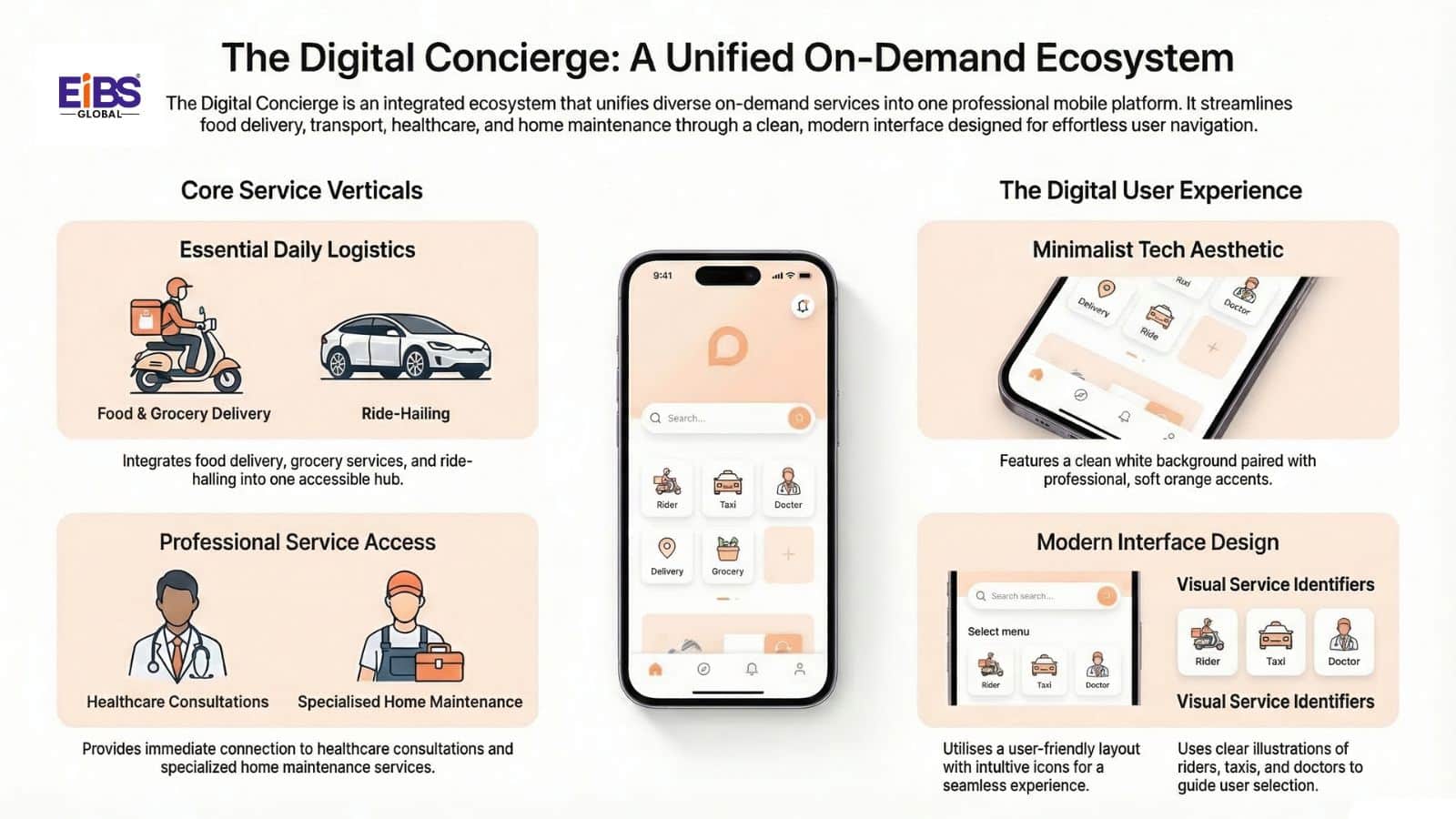
The world has shifted to “I want it now”, and mobile apps are following suit. On-demand apps are becoming a cornerstone of mobile app development trends 2026, offering users instant access to services and products at their fingertips.
From food delivery and ride-hailing to healthcare consultations and home services, on-demand apps make life simpler. Users don’t have to plan ahead—they just open the app and get exactly what they need, when they need it.
For businesses, these apps are more than convenient—they’re revenue generators. By analyzing usage patterns and delivery efficiency, companies can predict demand, optimize operations, and enhance user satisfaction. The best on-demand apps even use AI to suggest services or products based on a user’s preferences, creating a personalized, frictionless experience.
As the market grows, the focus is on speed, reliability, and intuitive interfaces. On-demand apps are not just part of the mobile app technology trends—they’re defining how users expect services to be delivered in the digital age.
12. Cloud Computing & PWAs – Scalable, Accessible Apps
Modern mobile apps are no longer confined to what fits on a device. Cloud computing has become the backbone of mobile app development trends 2026, allowing apps to store, process, and sync data seamlessly. Users can access their favorite apps from any device, enjoy faster performance, and never worry about storage limits.
At the same time, Progressive Web Apps (PWAs) are gaining momentum. PWAs combine the best of websites and native apps—they load instantly, work offline, and provide push notifications without forcing users to download anything. For businesses, this is a cost-effective way to reach more users and ensure smooth experiences across platforms.
The combination of cloud and PWAs means apps can scale effortlessly while delivering consistent, high-performance experiences. Users get speed, reliability, and convenience; developers get flexibility and efficiency. Together, these technologies are shaping the future of mobile application technology trends, making apps smarter, more responsive, and easier to maintain.
13. App Security & Privacy – Built-In Protection
In 2026, users aren’t just looking for apps that work—they want apps they can trust. Security and privacy are no longer afterthoughts; they’re core to mobile app development trends.
Developers are designing modern apps with privacy in mind, incorporating biometric authentication, encrypted connections, and zero-trust systems from the outset. Users now expect transparency about how their data is collected and used, and any breach of trust can mean lost customers and reputational damage.
For businesses, this issue isn’t just compliance—it’s competitive advantage. Apps that protect data, offer multi-factor authentication, and comply with regulations like GDPR and CCPA are more likely to earn user loyalty. In addition to safeguarding sensitive information, robust security enables developers to confidently experiment with AI, cloud, and real-time analytics.
Security-first apps are more than a trend—they’re a necessity in a digital ecosystem where trust drives engagement and retention.
14. Sustainable / Green App Development – Responsible Innovation
In 2026, building apps isn’t just about speed or features—it’s about responsibility. Sustainable or green app development is becoming a key mobile app development trend, as businesses and users alike care about reducing digital carbon footprints.
From cleaner code and energy-efficient servers to features like dark mode and optimized resource use, developers are rethinking how apps consume power and data. It’s not just eco-friendly; it’s better for performance, as optimized apps often run faster and smoother.
For businesses, green development aligns with ESG goals and builds a positive brand image. Users notice when apps are responsive, efficient, and considerate of environmental impact, making sustainability a selling point in app adoption.
As consumers increasingly demand ethical digital experiences, apps that prioritize sustainability won’t just be trendy—they’ll be expected. Green practices are now an integral part of mobile application technology trends, shaping a future where innovation and responsibility go hand in hand.
15. How Businesses Can Stay Ahead With Mobile App Trends
Keeping up with mobile app development trends is no longer optional—it’s essential for businesses aiming to stay relevant. The key is adapting to change quickly while focusing on user experience.
Start by understanding your audience. Observe how they interact with apps, which features they value most, and what problems they face. This insight will guide decisions about AI personalization, on-demand services, or XR experiences.
Next, invest in scalable technology. Cloud computing, cross-platform frameworks like Flutter or React Native, and low-code/no-code solutions allow your app to evolve rapidly without major overhauls.
Security and sustainability should be part of the foundation, not an afterthought. Apps that protect user data and optimize energy use create trust and loyalty while aligning with modern digital ethics.
Finally, stay informed through industry research, user feedback, and emerging tech. By combining innovation with practicality, businesses can create apps that are engaging, efficient, and future-ready, keeping them at the forefront of mobile app trends and technology.
Conclusion – Staying Ahead in Mobile App Development
The world of mobile apps is evolving faster than ever. From AI-powered personalization and super apps to 5G-enabled experiences and sustainable development, businesses have more opportunities than ever to create apps that delight users and drive growth.
Success isn’t just about building a functional app; it’s about crafting an experience that feels intuitive, secure, and responsive. Mobile app development company that embrace cross-platform development, predictive analytics, XR, and cloud-first approaches will be well-positioned to stay ahead of the curve.
By paying attention to user needs, security, and emerging technologies, businesses can ensure their apps aren’t just relevant today—they’ll thrive in the ever-changing landscape of mobile app development trends 2026.
FAQs – Key Insights on Mobile App Trends
Get clear answers to the most common questions about mobile app development trends 2026. Explore how emerging technologies, AI, and UX innovations are shaping the future of apps.
What are the trends in mobile application development?
The latest mobile app development trends focus on AI-native apps, hyper-personalization, and cross-platform frameworks like Flutter and React Native. Other key trends include 5G-enabled experiences, XR (AR/VR) integration, cloud computing, super apps, low-code/no-code development, and sustainable app design. These trends are shaping apps that are faster, smarter, and more responsive to user needs.
Will AI replace mobile developers?
AI won’t fully replace developers but acts as a powerful assistant. AI tools can automate coding, test workflows, and suggest UX improvements, speeding up development and reducing errors. Developers will increasingly focus on creative problem-solving, strategic decisions, and user experience design, while AI handles repetitive or data-heavy tasks.
What are the mobile opportunity development trends for 2026?
Opportunities include AI-powered personalization, on-demand apps, immersive XR experiences, super apps, PWAs, and IoT-enabled apps. With 5G and cloud-first technologies, businesses can deliver real-time, scalable, and interactive solutions. Enterprises that adopt these trends can enhance engagement, streamline operations, and reach new markets.
What are the 7 stages of app development?
The app development lifecycle typically includes:
- Idea & Market Research – Understand user needs and market gaps.
- Conceptualization – Define features, user flow, and value proposition.
- Design & UX/UI – Create intuitive interfaces and engaging experiences.
- Development – Build using the chosen platform or cross-platform framework.
- Testing & QA – Ensure the app is bug-free and performs reliably.
- Launch & Deployment – Publish on app stores or as PWAs.
- Maintenance & Updates – Monitor performance, fix issues, and release new features.
What is the next big app trend?
The next big app trend is AI-native super apps, which combine messaging, finance, e-commerce, and personalized services in a single platform. Other emerging trends include immersive AR/VR experiences, edge AI, PWAs, and sustainable, energy-efficient app development.
What are the three types of mobile app development?
The three main types are:
- Native Apps – Built specifically for iOS or Android for optimal performance.
- Cross-Platform Apps – Developed with frameworks like Flutter or React Native to run on multiple platforms.
- Progressive Web Apps (PWAs) – Browser-based apps that deliver native-like experiences without installation.
What are the top 3 most used apps?
Globally, the most used apps tend to be:
- Messaging & Social Media – WhatsApp, Facebook, Instagram.
- Streaming & Entertainment – YouTube, TikTok, Netflix.
- Productivity & Utility – Gmail, Google Maps, Zoom.
These apps highlight how engagement, convenience, and personalization drive adoption.
What apps to build in 2026?
The most promising apps for 2026 include:
- AI-powered productivity and personal assistant apps
- Super apps integrating finance, shopping, and social features
- Immersive XR apps for education, gaming, or virtual experiences
- On-demand service apps for healthcare, food delivery, or logistics
- Sustainable and lightweight apps optimized for performance and energy efficiency
What are some notable trends in mobile app development?
AI-driven apps, immersive XR experiences, and blockchain applications shape today’s mobile app landscape. Beyond that, 5G connectivity, IoT integration, and cloud-based solutions are redefining how apps deliver speed, reliability, and real-time interactions. Users now expect apps to be smart, seamless, and personalized, making these trends crucial for any modern app strategy.
How can these trends impact mobile app development projects?
These trends have a direct effect on how apps are made and designed. For instance, AI can anticipate user preferences, XR can create engaging experiences, and 5G enables ultra-fast content delivery. Incorporating these technologies early ensures apps are future-ready, responsive, and capable of delighting users, while also giving developers tools to optimize performance and accessibility.
What steps can businesses take to stay updated on these trends?
Staying ahead means actively monitoring industry blogs, attending tech webinars, and participating in conferences. Collaborating with a trusted mobile application development company can gain insight into emerging tools and frameworks, ensuring your apps remain competitive and aligned with evolving user expectations.
Which technologies are shaping the future of mobile app development?
The future is being shaped by Artificial Intelligence (AI), Augmented Reality (AR), Virtual Reality (VR), and 5G connectivity. These technologies allow developers to build faster, smarter, and more immersive apps. AI enables personalized experiences, AR creates interactive shopping or training environments, and 5G powers real-time data streaming and instant interactions.
How are AI and machine learning influencing mobile app trends?
AI and machine learning are becoming central to app functionality. From predicting user behavior to powering chatbots and automated support, AI makes apps feel intelligent and responsive. Developers are also using AI for UI/UX design suggestions, fraud detection, and content recommendations, which helps apps adapt to user needs in real time without manual intervention.
How are iOS and Android app trends evolving in 2026?
Both platforms are focusing on personalization, speed, and security. iOS is enhancing on-device AI processing for efficient and private operations, while Android is refining Instant Apps and optimizing apps for foldable and wearable devices. Accessibility and sustainability are top priorities, creating consistent, user-friendly experiences across platforms.
What emerging technologies will impact mobile app development in the next few years?
Technologies like edge computing, blockchain, IoT, and XR are set to redefine apps. Edge computing speeds up performance by lowering latency, IoT makes automation smarter in fields like healthcare and logistics, and XR makes education, gaming, and retail more immersive. Blockchain adds secure, transparent data handling, all contributing to smarter, more connected applications.
What are the latest innovations in mobile app development?’
Some cutting-edge innovations include low-code/no-code platforms, AI-driven analytics, and cross-platform frameworks like Flutter and React Native. Developers are also prioritizing sustainable coding, dark mode support, and energy-efficient apps. Together, these innovations reflect a shift toward efficient, inclusive, and environmentally conscious mobile applications.